
The Hard Truths of Software Engineering: 21 Lessons from the Trenches
A visual guide to the unwritten rules of shipping code, navigating teams, and surviving a career in tech.

Introduction
Software engineering is funny. You spend years in school or teaching yourself algorithms, data structures, and syntax. You think the job is about writing the cleverest recursive function or knowing the deepest corners of a language.
Then you get a job, and you realize that coding is maybe 20% of the gig. The rest? It’s dealing with ambiguity, navigating human systems, managing complexity, and realizing that your carefully laid plans rarely survive contact with reality (or Gradle builds).
I recently came across an outstanding list of aphorisms that perfectly captures this reality. It’s a distillation of hard-earned wisdom that usually takes a decade to accumulate.
Full Credit Statement: I want to be exceptionally clear: the 21 insights listed below were not written by me. They originate from an excellent piece published by Elevate/Addyo, written by Addy Osmani.
You should absolutely read the original source material here: ORIGINAL ARTICLE.
These lines resonated so deeply with my own experience that I was inspired to create a series of hand-drawn illustrations to bring each point to life. Below is that visual collection of engineering wisdom.
The Reality of the Daily Grind
We all start the day with optimism. But software development is inherently unpredictable.
1. The Engineer’s Mindset
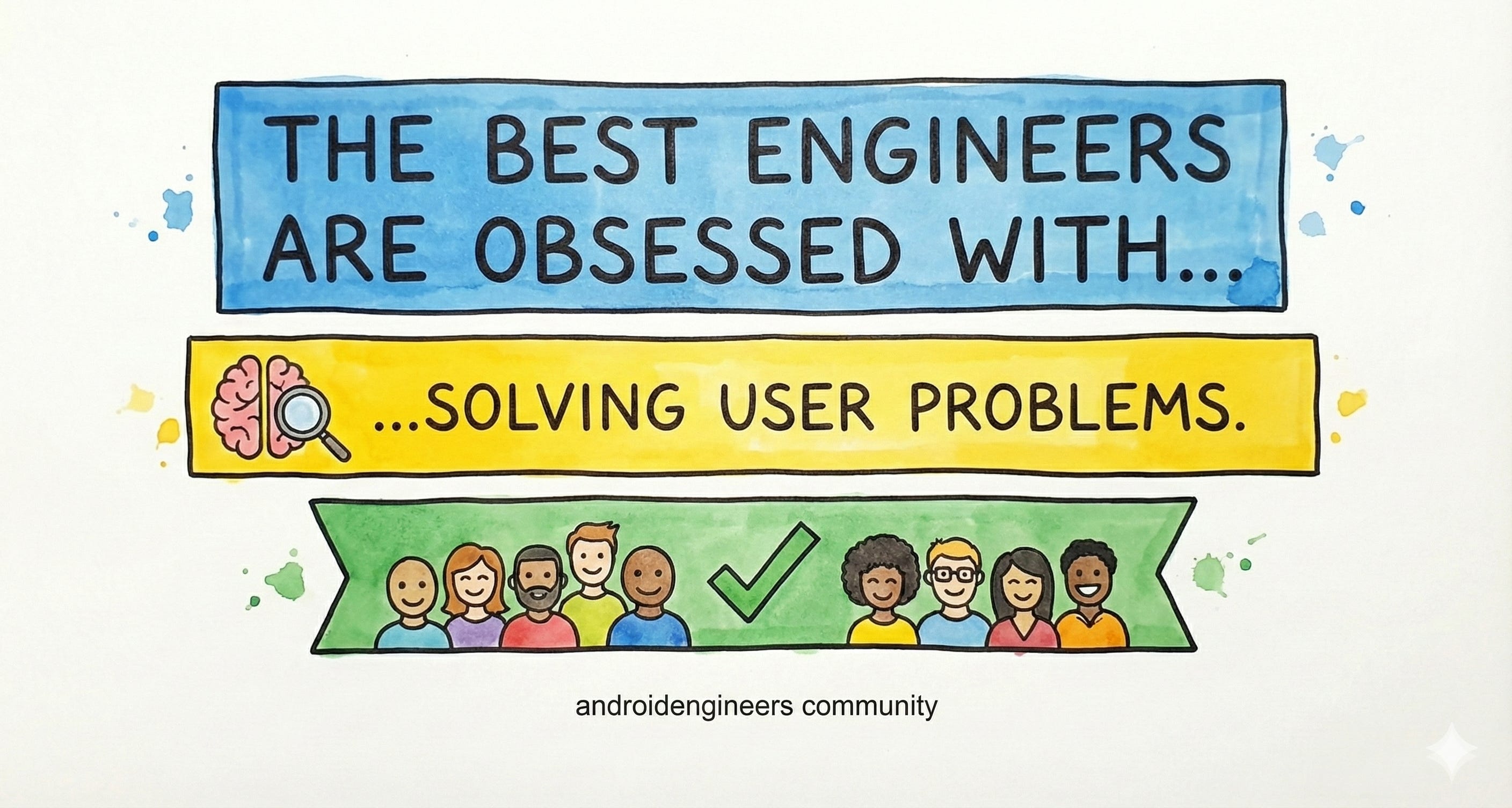
“The best engineers are obsessed with solving user problems.”
Tech is just a tool; solving the actual pain point is the goal.
2. Collaboration
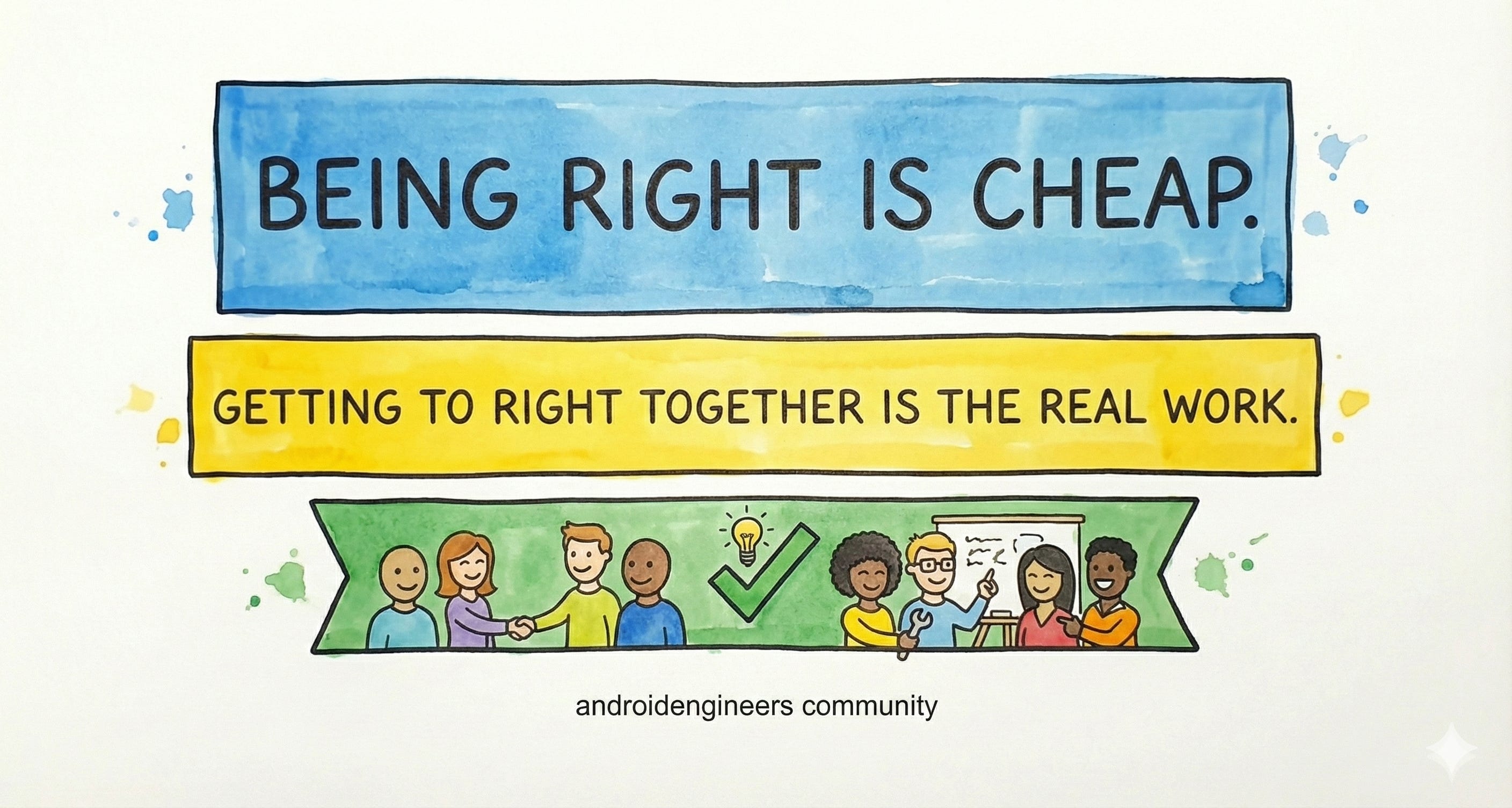
“Being right is cheap. Getting to right together is the real work.”
Alignment beats individual brilliance every time.
3. Shipping
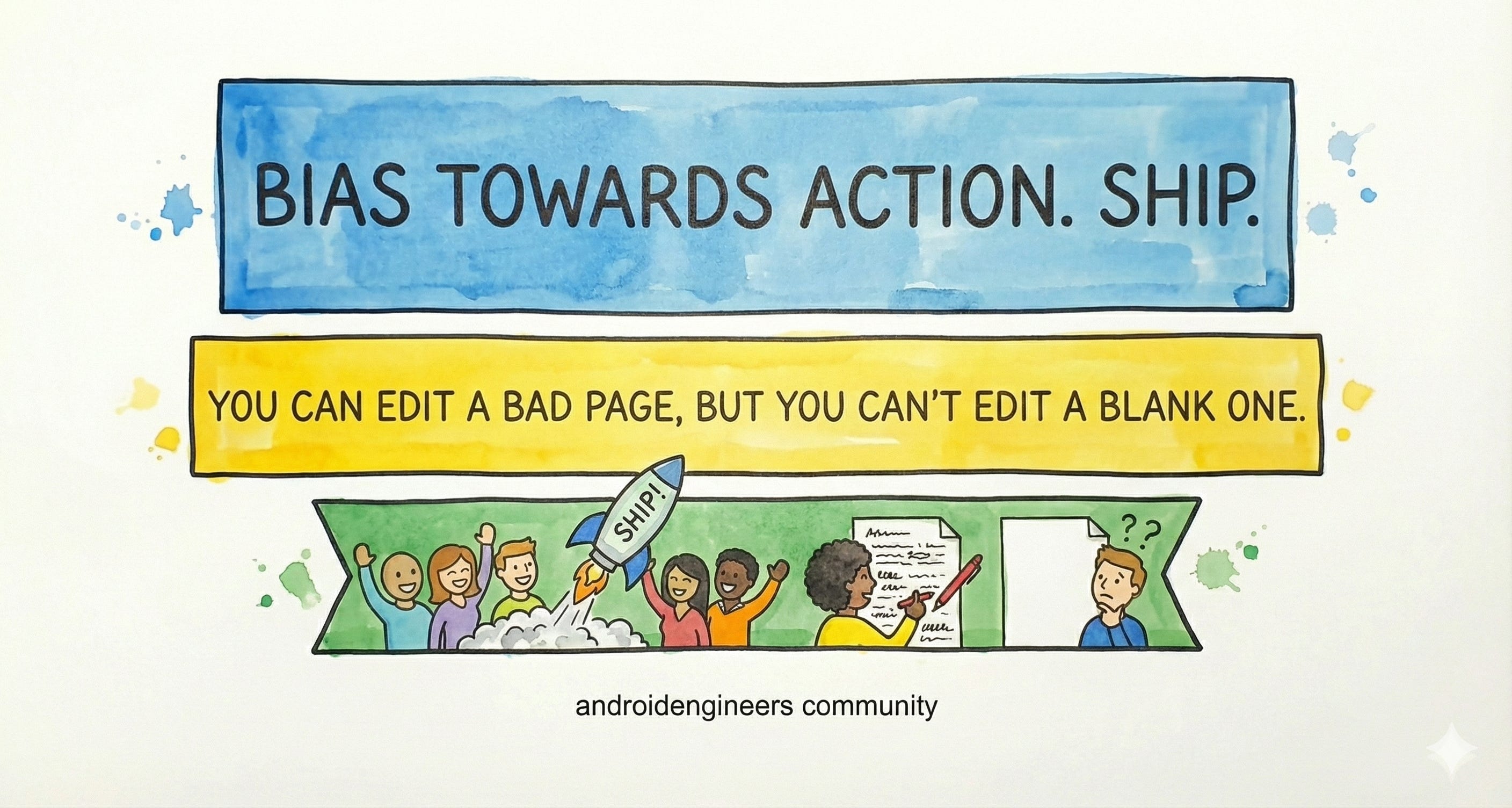
“Bias towards action. Ship. You can edit a bad page, but you can’t edit a blank one.”
Momentum creates information; stagnation just creates doubt.
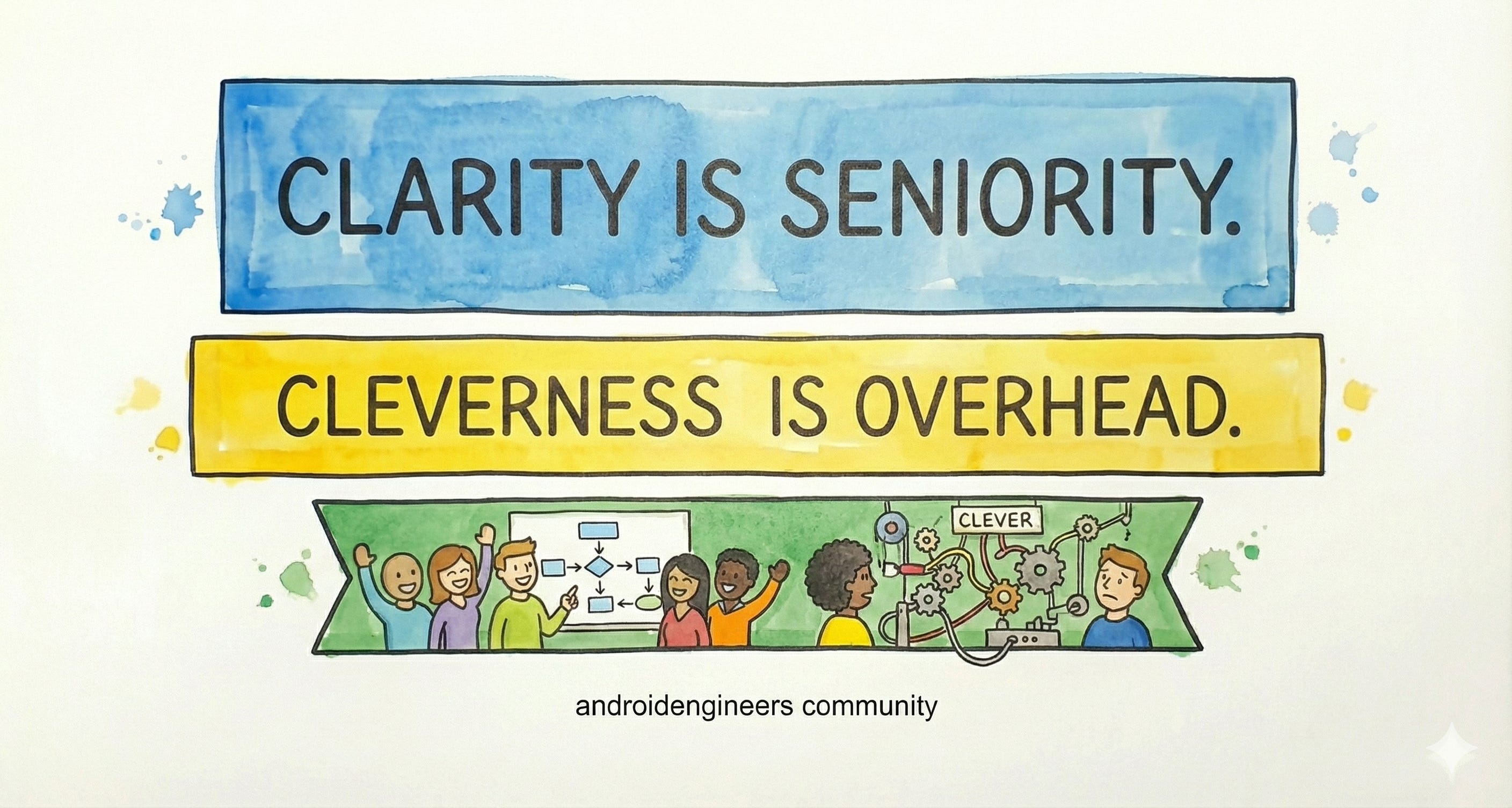
4. Simplicity
“Clarity is seniority. Cleverness is overhead.”
Simple code is harder to write, but much easier to maintain.
5. Boring Technology
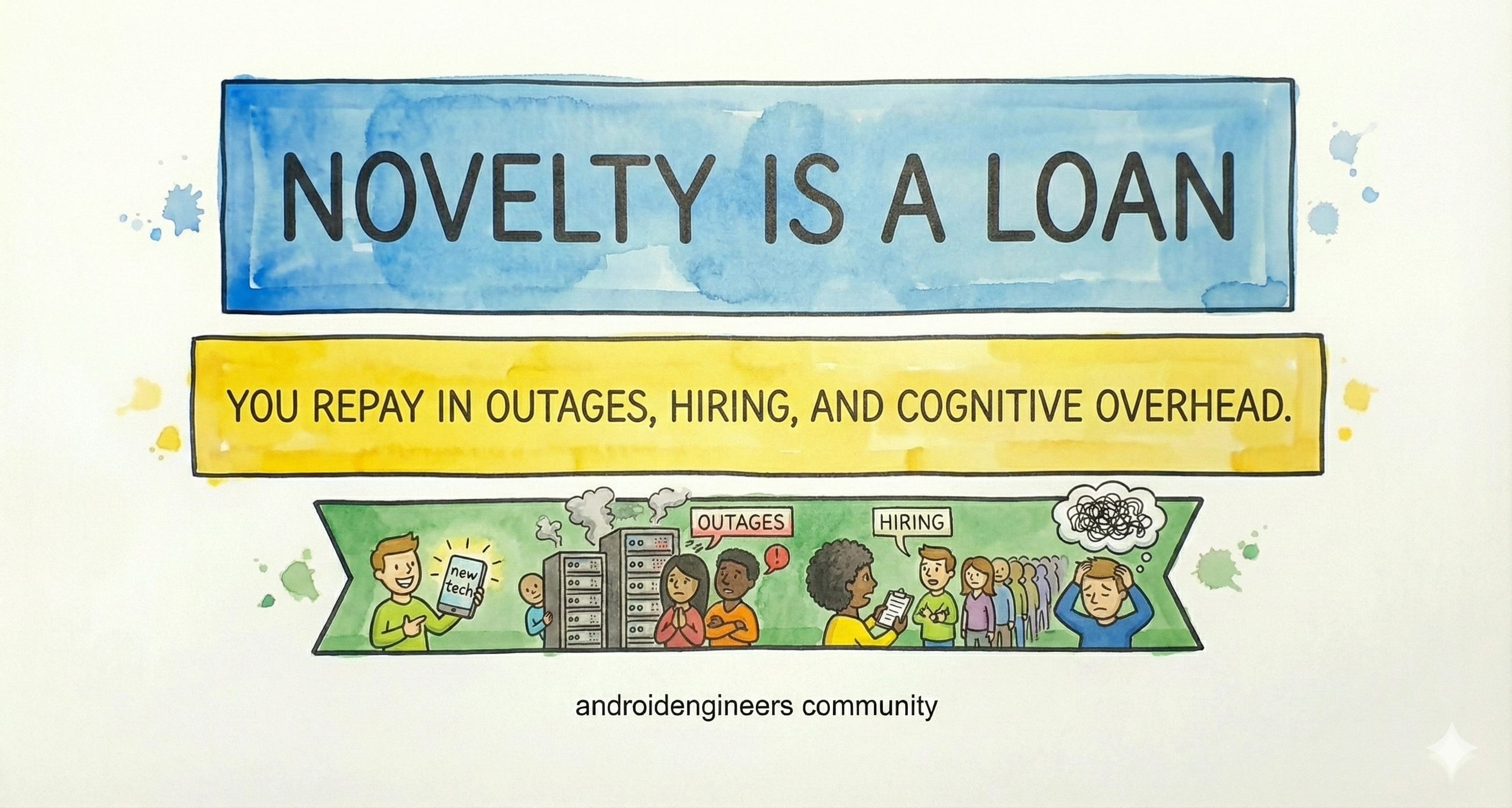
“Novelty is a loan you repay in outages, hiring, and cognitive overhead.”
Boring technology lets you sleep at night.
6. Career Advocacy
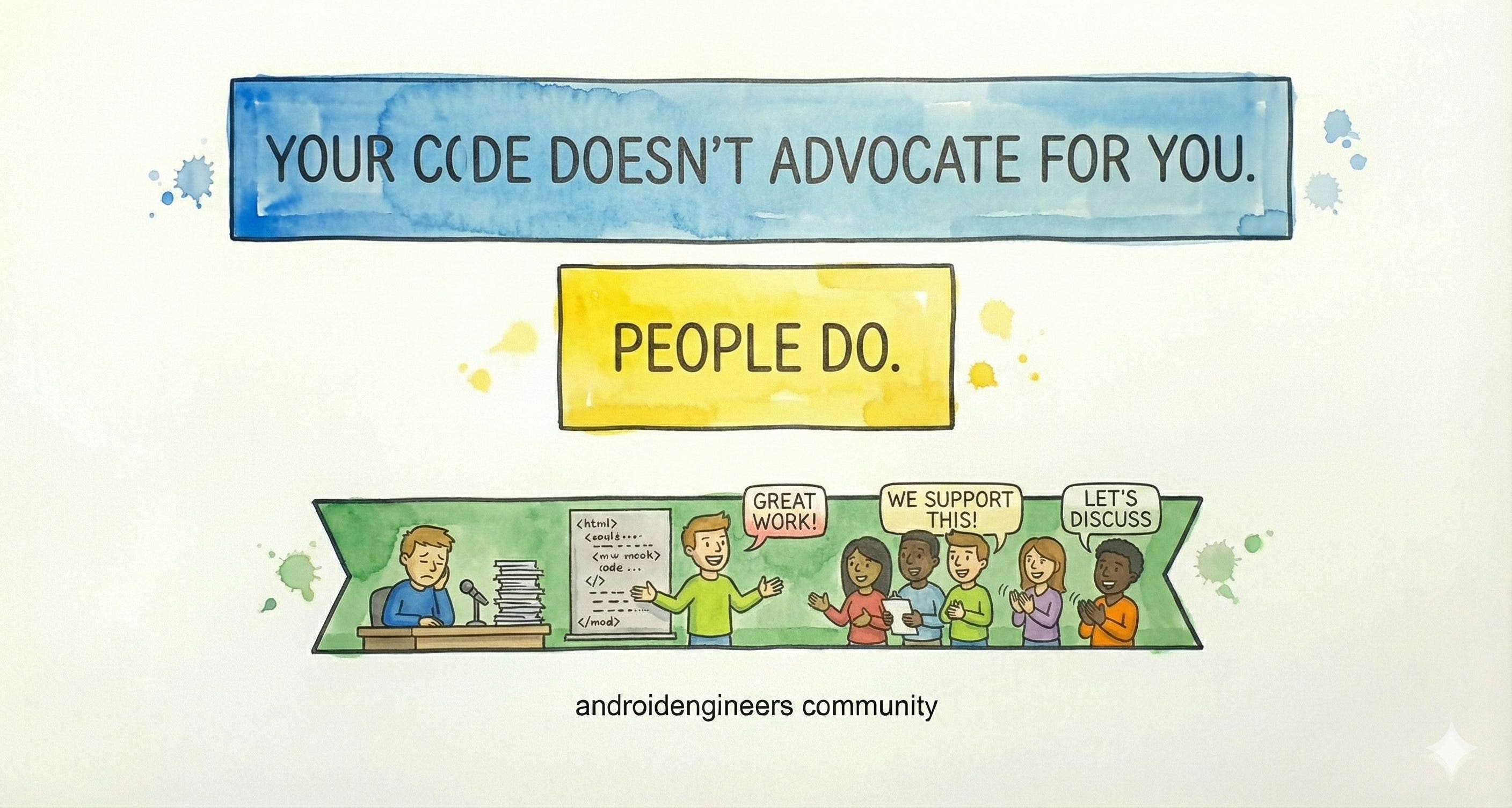
“Your code doesn’t advocate for you. People do.”
Soft skills and clear communication leverage your technical impact.
7. Code Liability
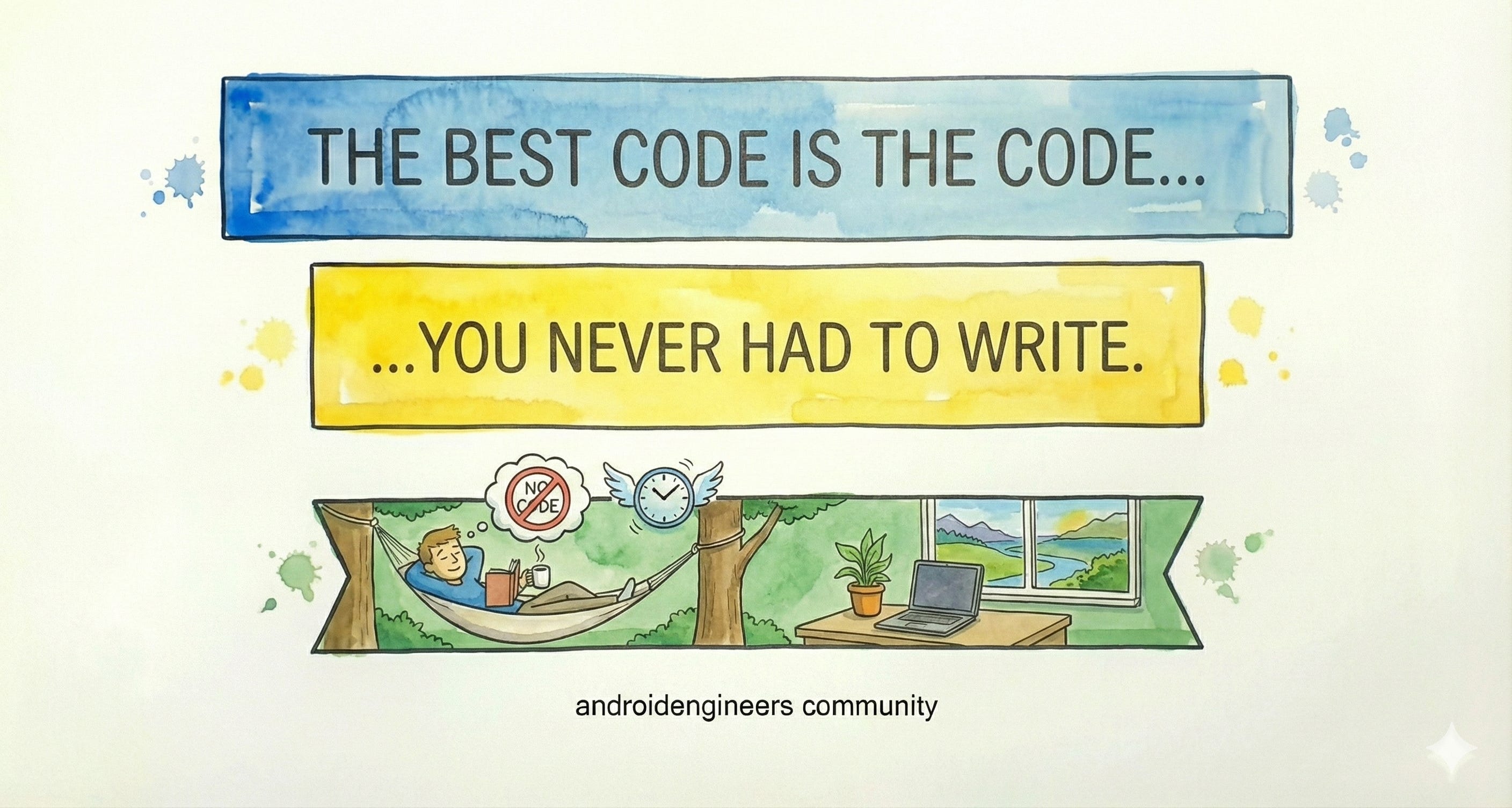
“The best code is the code you never had to write.”
Deleted code has zero bugs and requires zero maintenance.
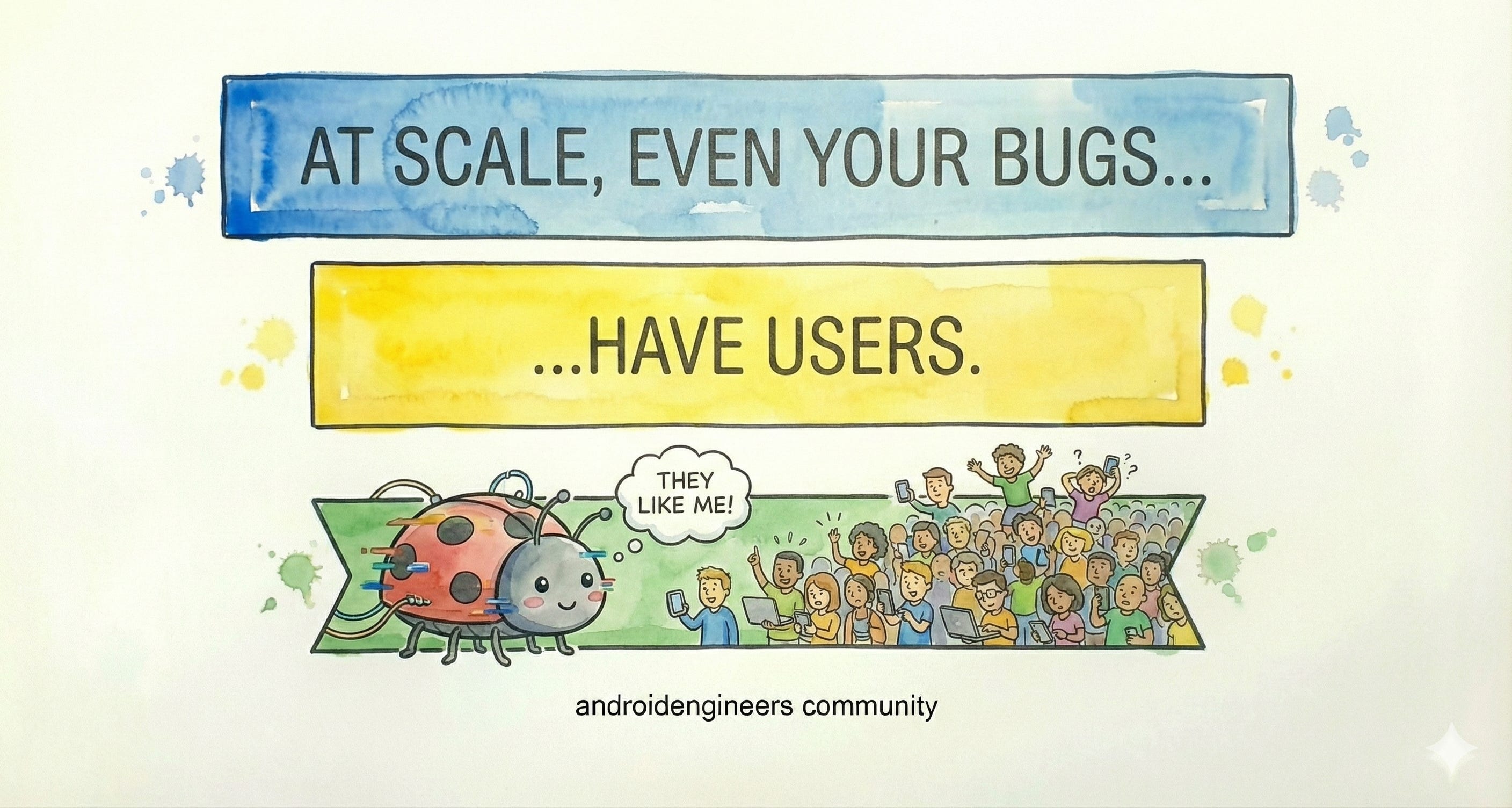
8. Scale
“At scale, even your bugs have users.”
Edge cases become daily occurrences when you hit millions of requests.
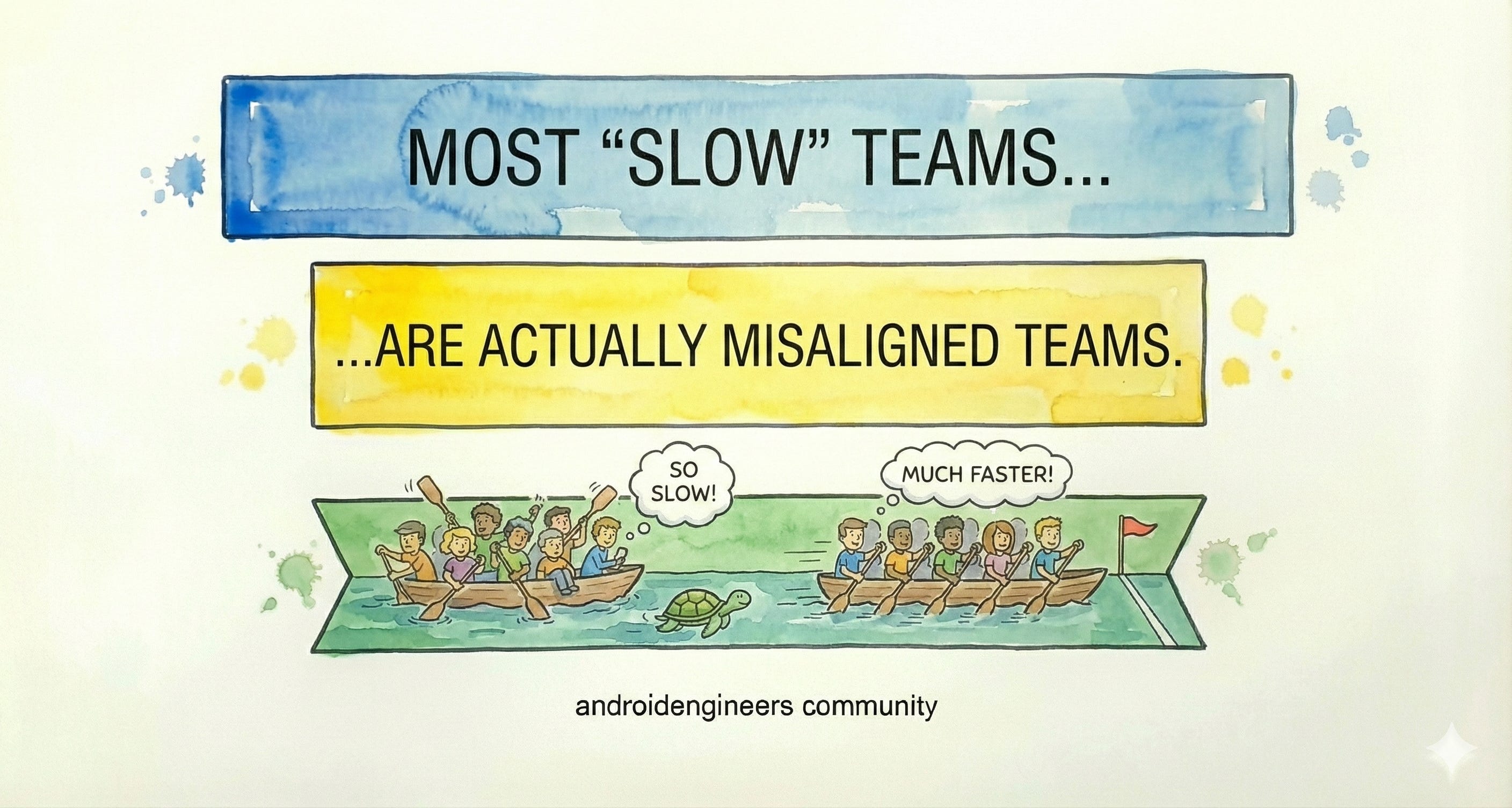
9. Team Alignment
“Most “slow” teams are actually misaligned teams.”
Velocity problems are usually just direction problems in disguise.
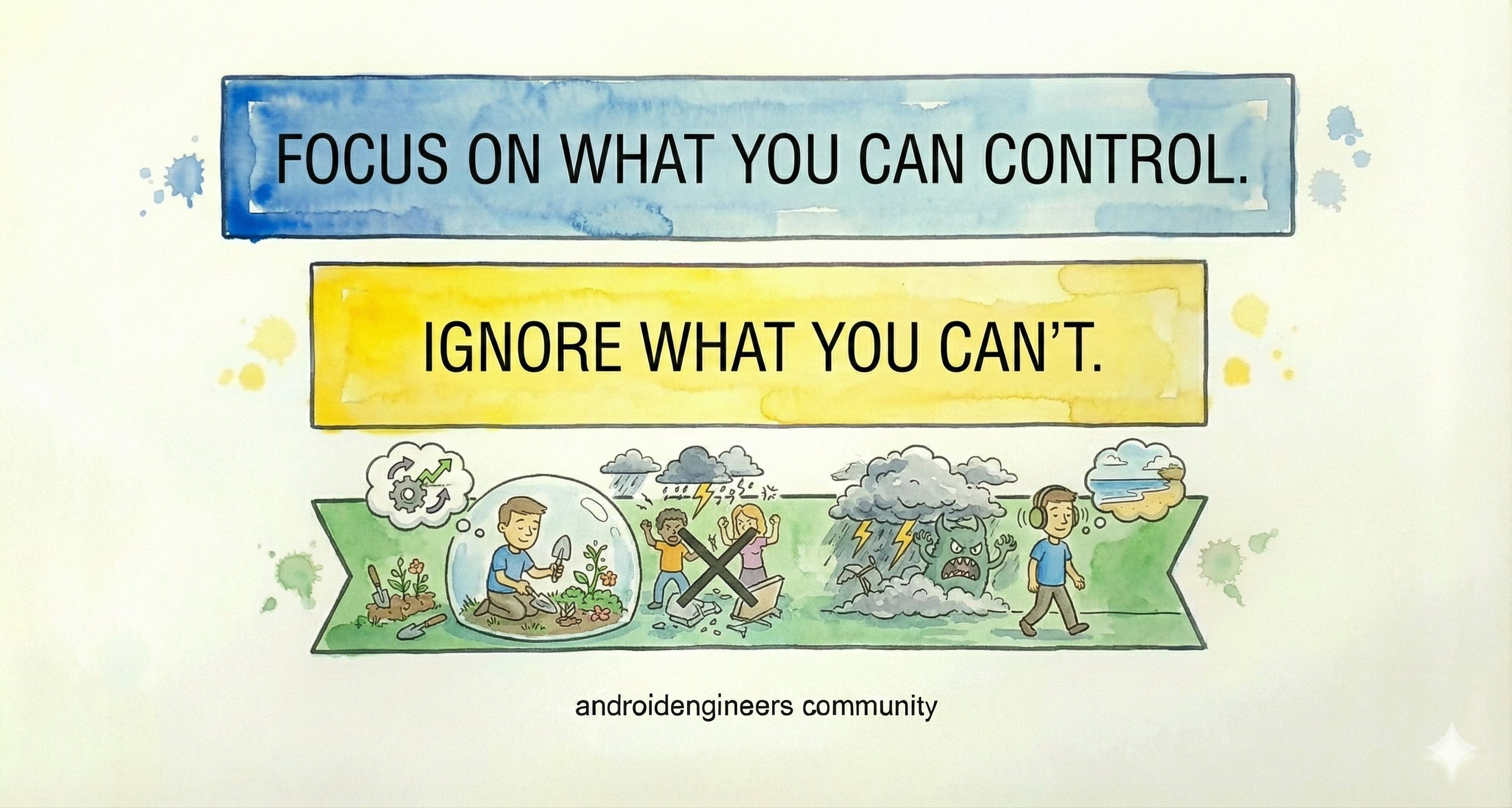
10. Focus
“Focus on what you can control. Ignore what you can’t.”
Don’t waste energy yelling at clouds; fix the build script instead.
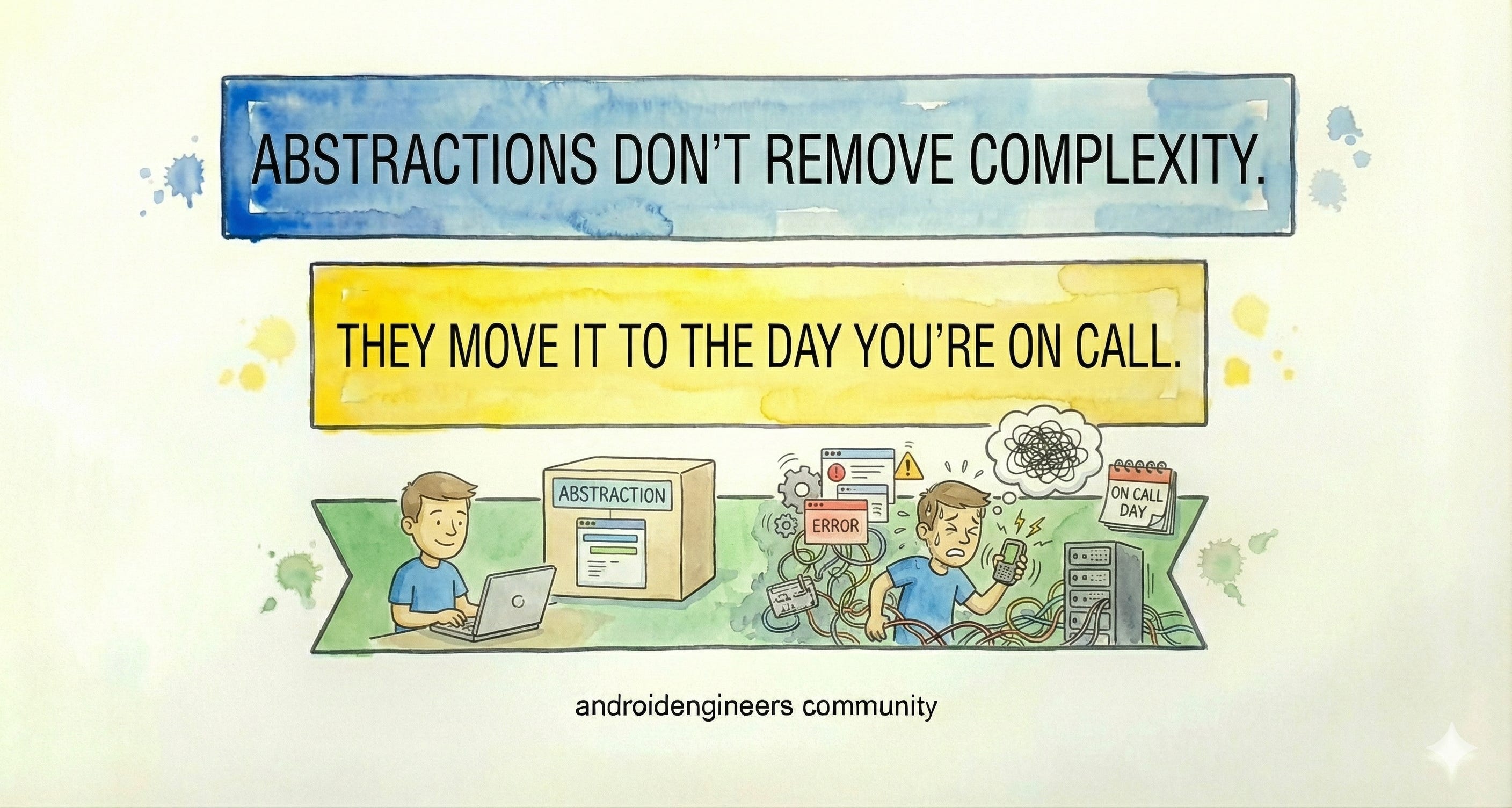
11. Abstractions
“Abstractions don’t remove complexity. They move it to the day you’re on call.”
Magic is great until it breaks and you don’t know how the trick works.
12. Learning by Teaching
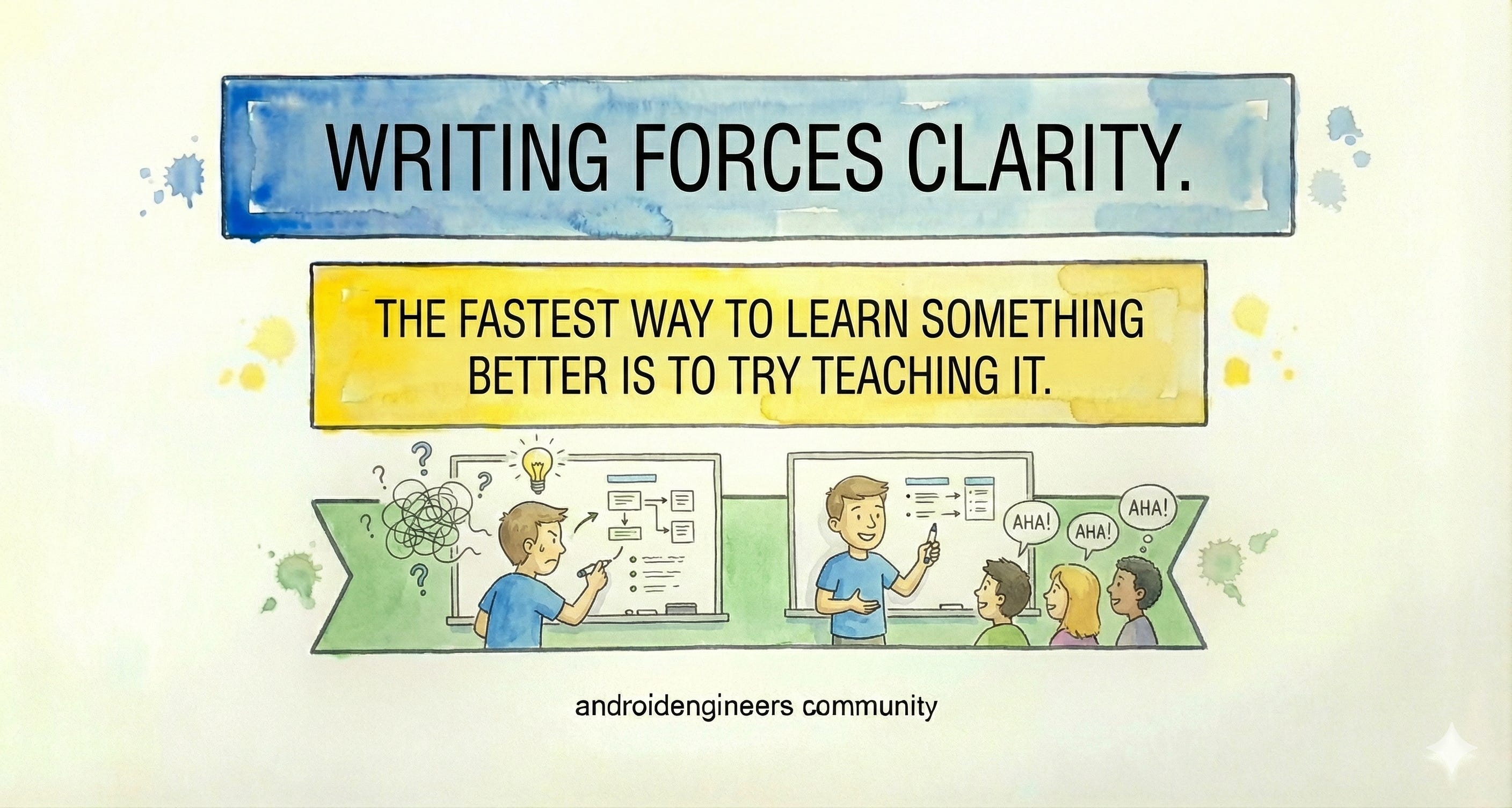
“Writing forces clarity. The fastest way to learn something better is to try teaching it.”
If you can’t explain it simply, you don’t understand it well enough.
13. Glue Work
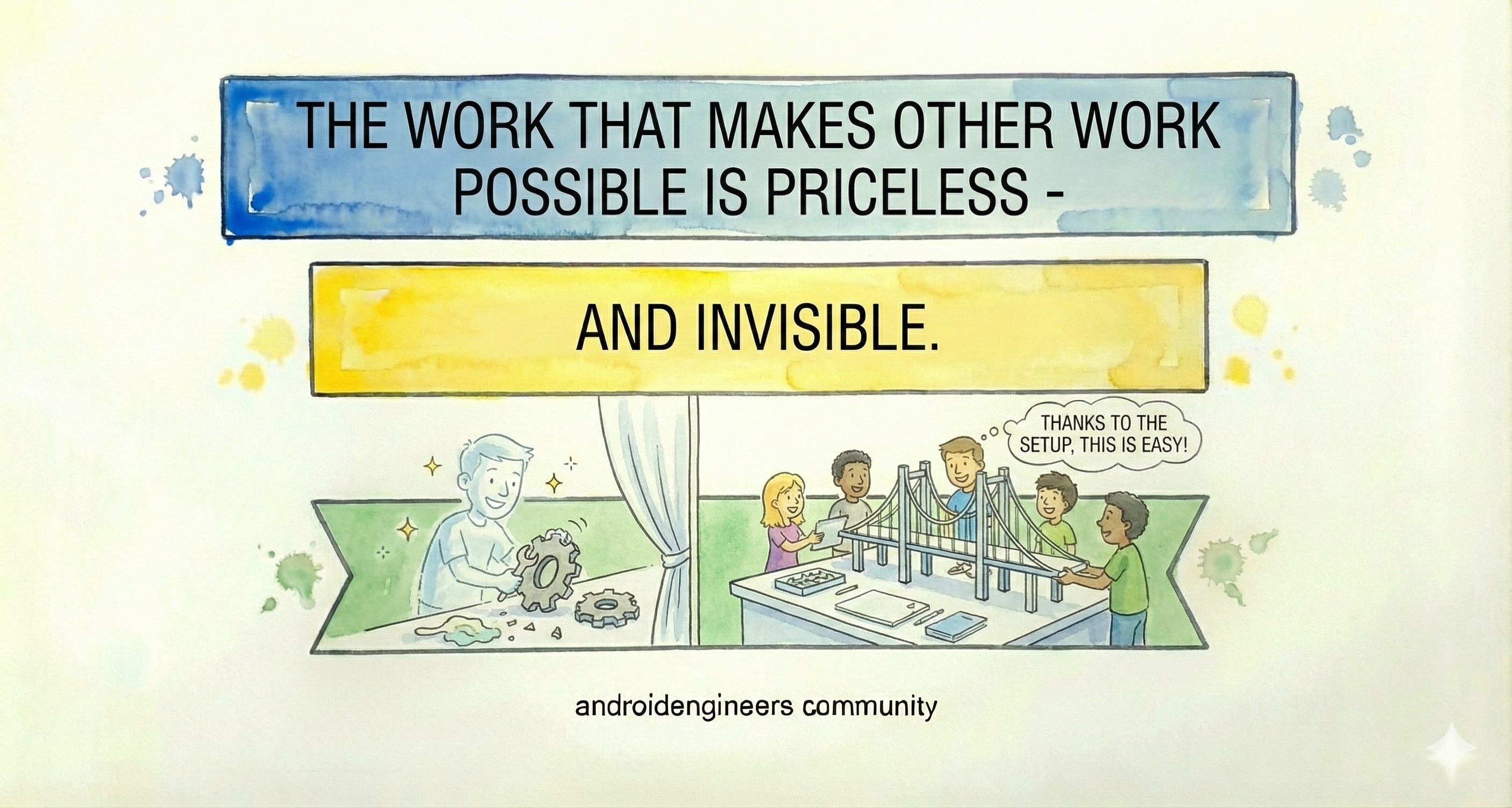
“The work that makes other work possible is priceless - and invisible.”
Unblocking your team is the highest form of seniority.
14. Consensus
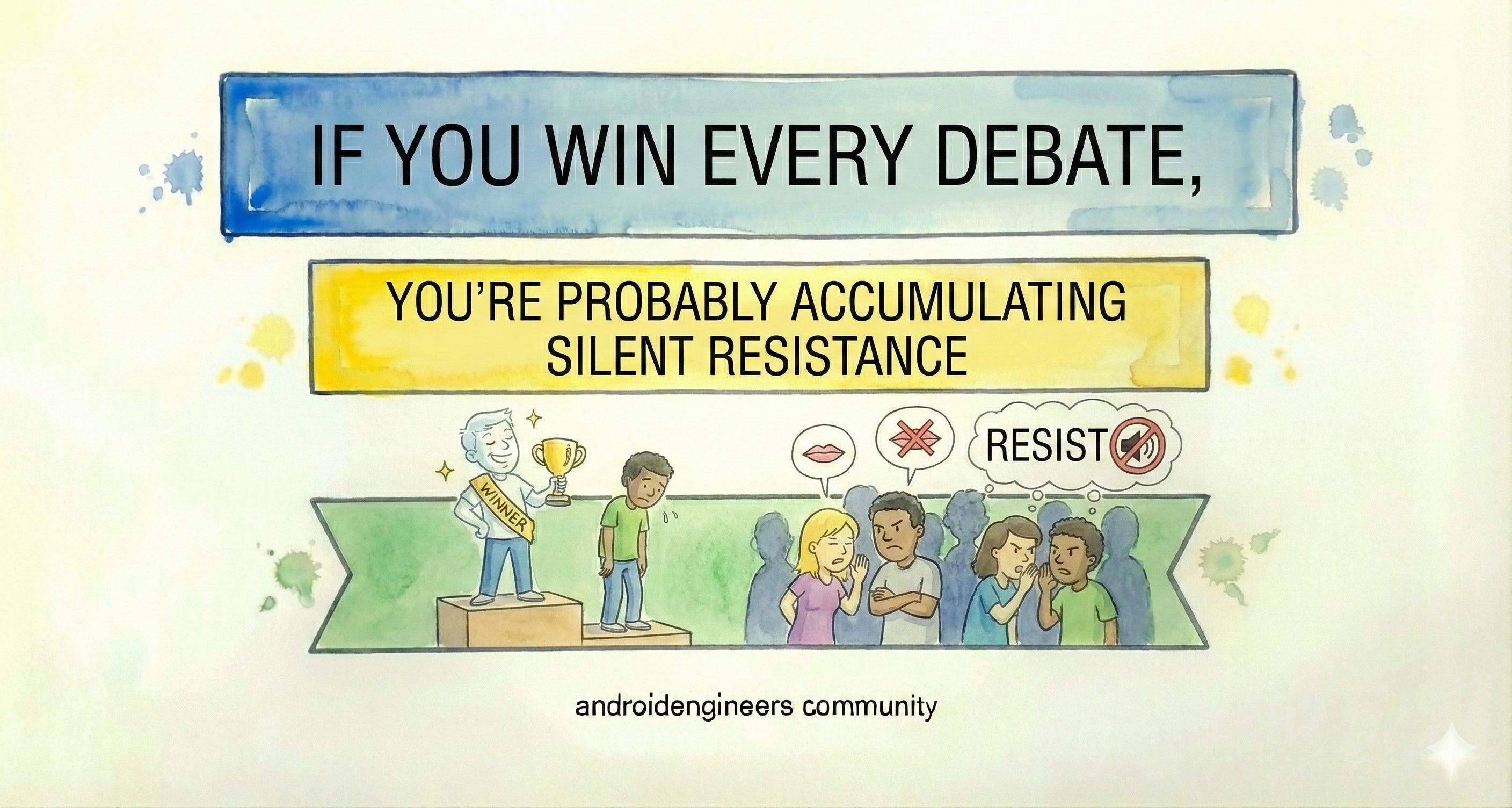
“If you win every debate, you’re probably accumulating silent resistance.”
Steamrolling your peers creates compliance, not commitment.
15. Metrics
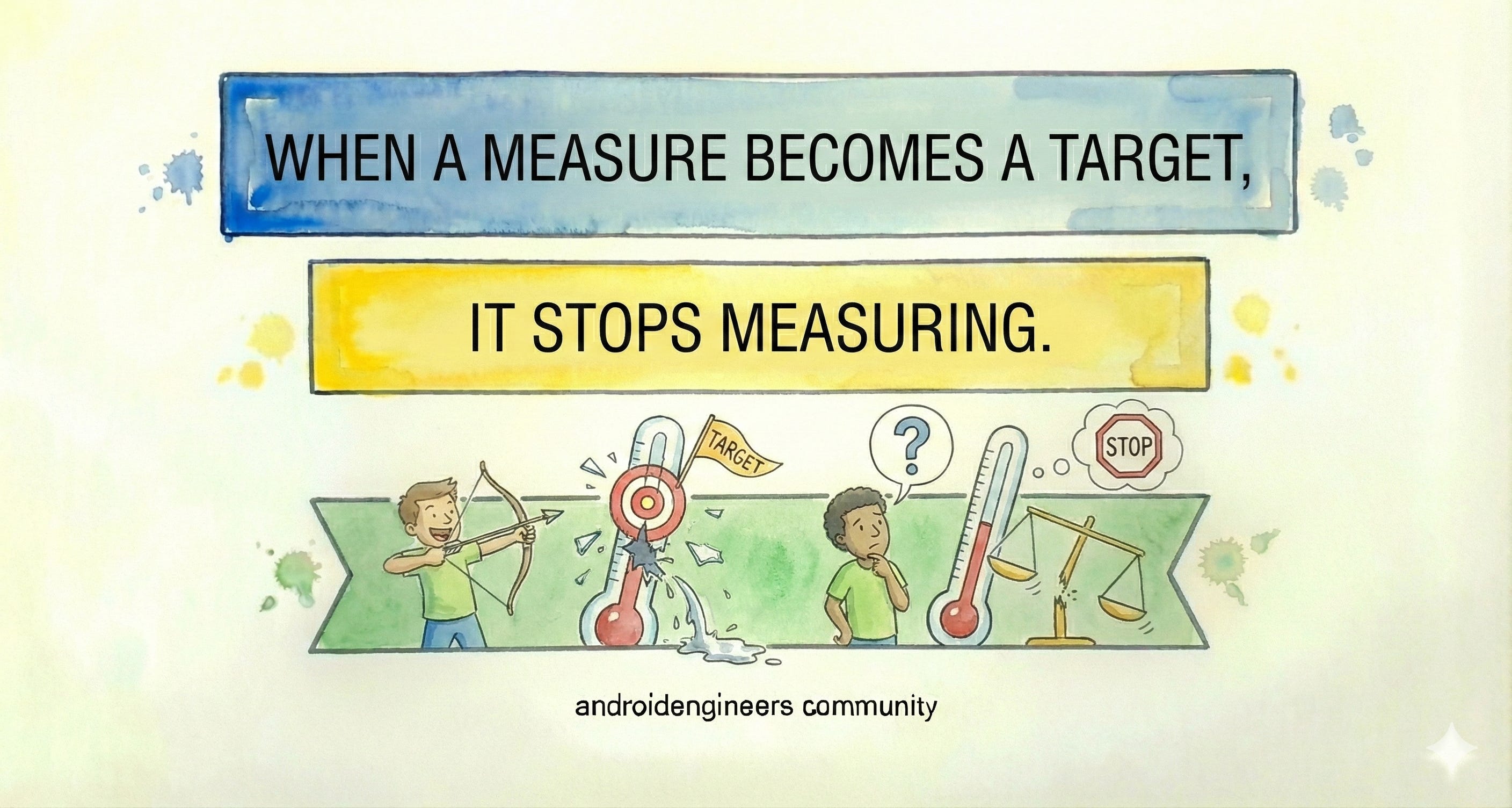
“When a measure becomes a target, it stops measuring.”
Incentivize lines of code, and you’ll get bloat; be careful what you measure.
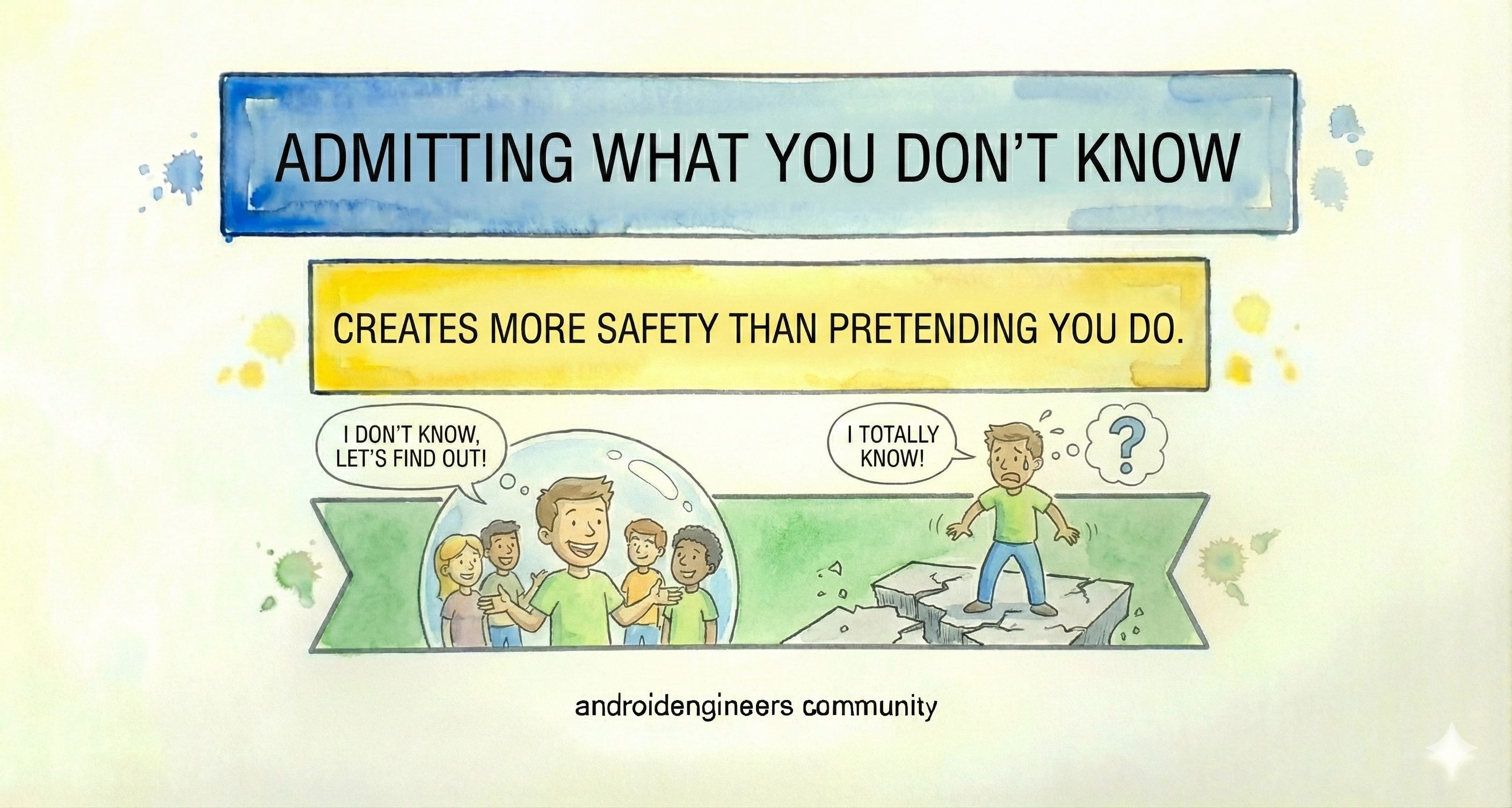
16. Psychological Safety
“Admitting what you don’t know creates more safety than pretending you do.”
Vulnerability builds trust, while faking it builds technical debt.
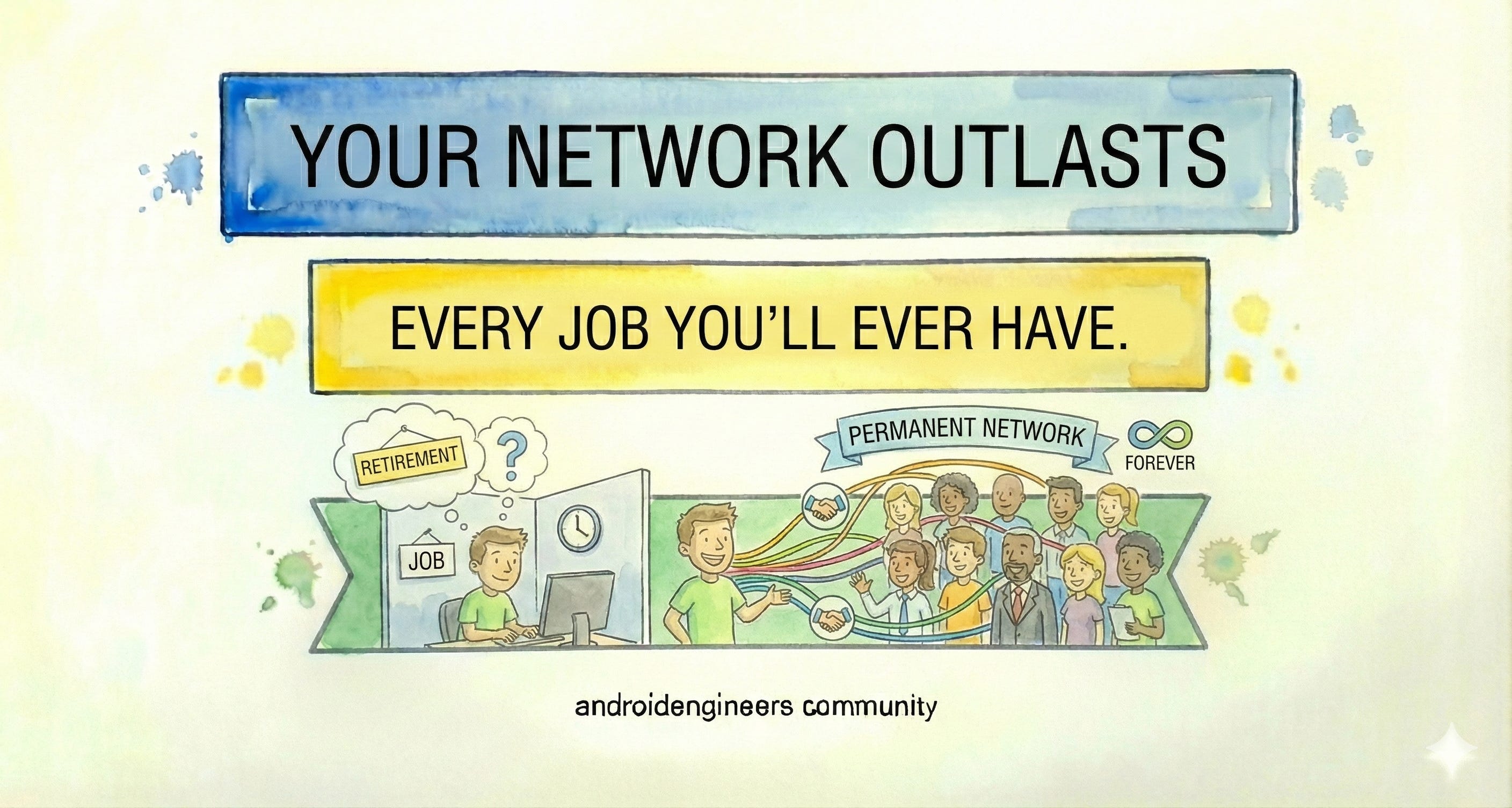
17. Relationships
“Your network outlasts every job you’ll ever have.”
Companies fold, but your reputation follows you forever.
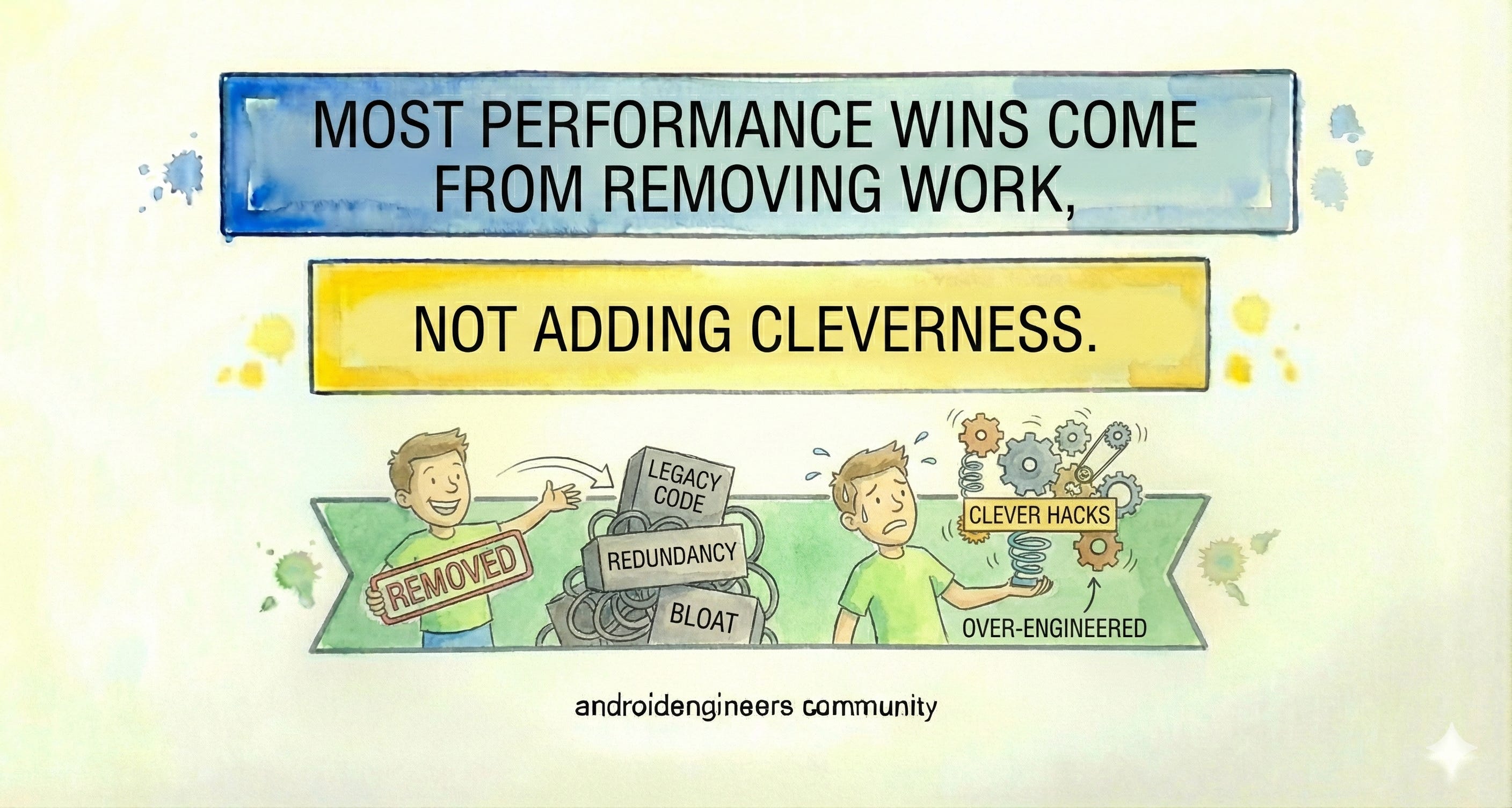
18. Performance
“Most performance wins come from removing work, not adding cleverness.”
The fastest code is the code that doesn’t run at all.
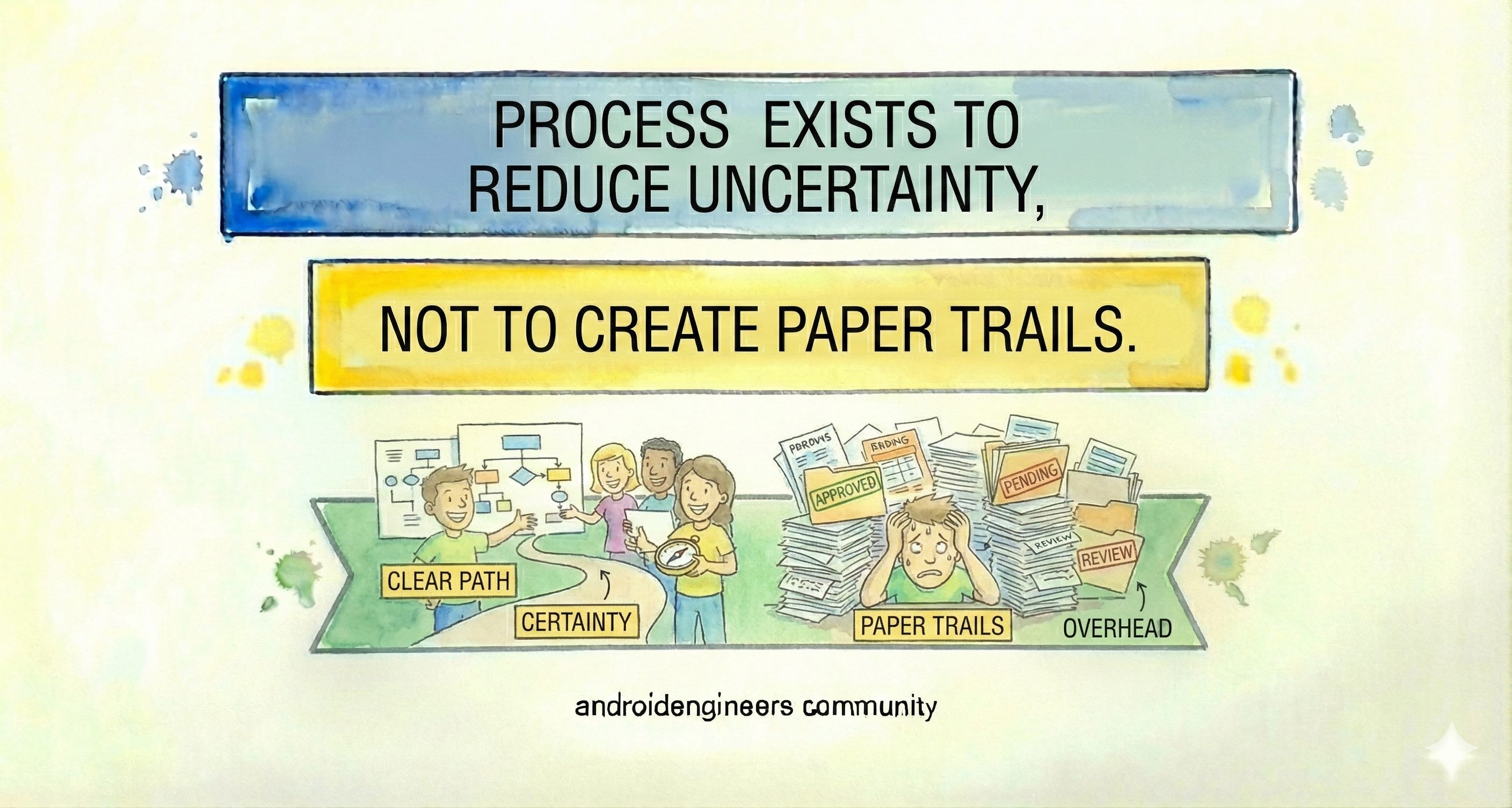
19. Process
“Process exists to reduce uncertainty, not to create paper trails.”
Good process is a guardrail, not a gate.
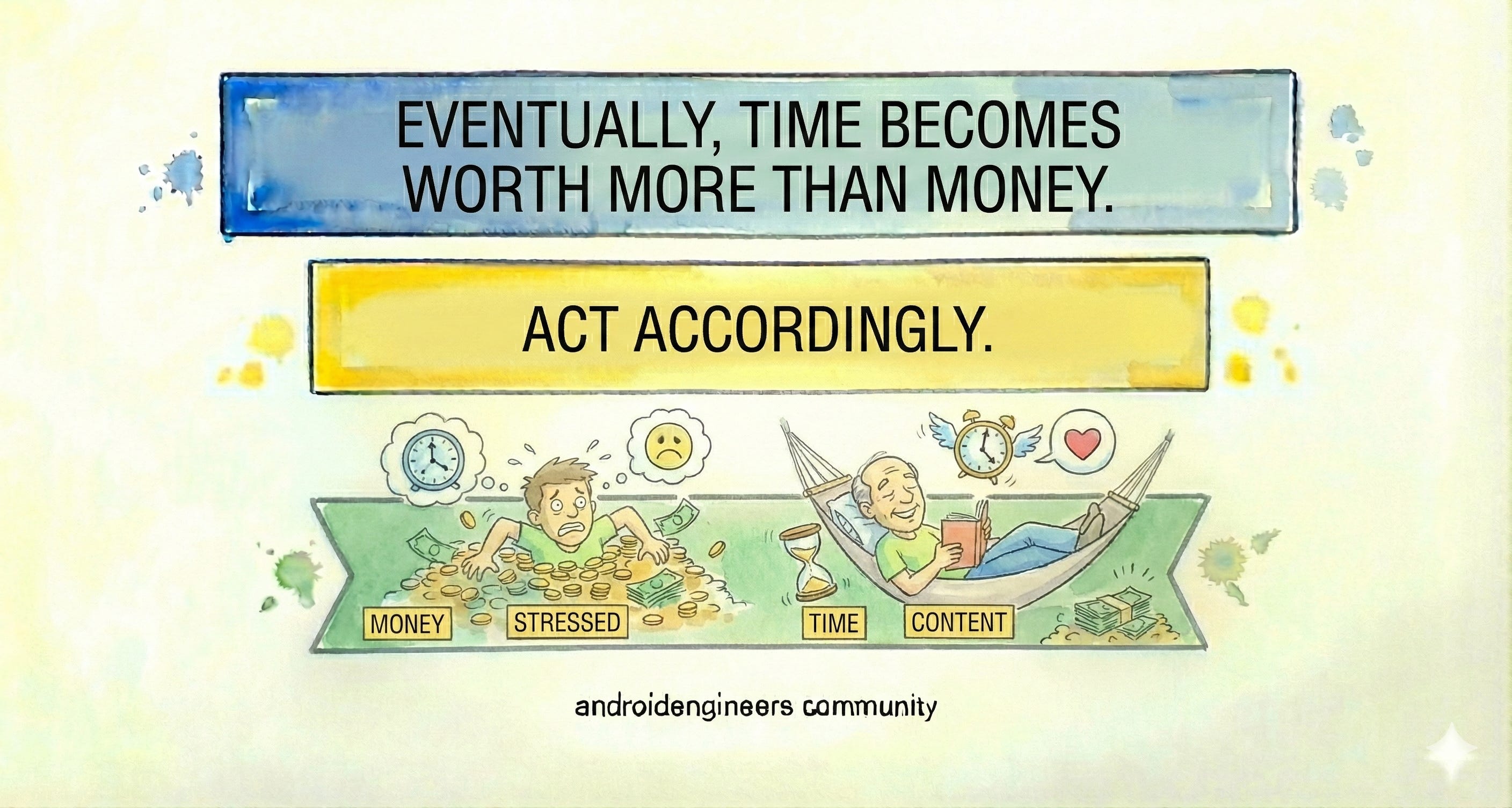
20. Value of Time
“Eventually, time becomes worth more than money. Act accordingly.”
Optimize for your life, not just your bank account.
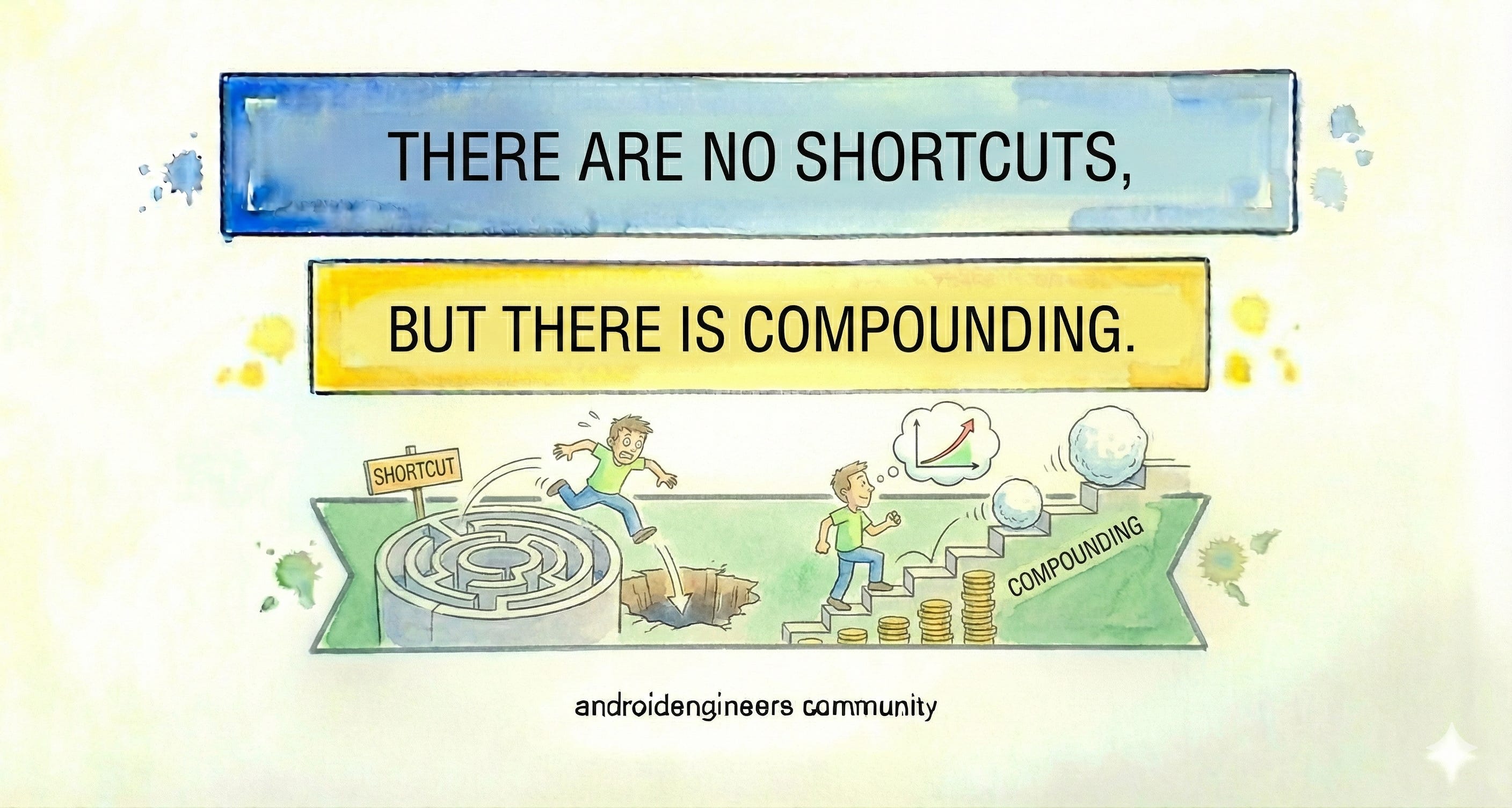
21. Growth
“There are no shortcuts, but there is compounding.”
Consistent small improvements beat occasional heroics.
Conclusion
These 21 points are a crash course in engineering maturity.
And don’t forget the invisible work that makes all of this possible:
Once again, massive credit goes to the original author for crystallizing these thoughts so effectively. Please go support their work at

Insightful content for a newbie/beginner developer